

If you’ve been told you have Polycystic Ovary Syndrome (PCOS), you already know it’s not just about irregular periods or stubborn weight gain. PCOS is a complex hormonal condition that can affect everything from your skin and hair to your mood and fertility. While there’s no magic cure, the right diet can make a noticeable difference in how you feel. That’s why creating a PCOS diet plan tailored to your body is one of the most important steps you can take.
At The Gynae Guide, we’ve covered everything from stress and hormonal imbalance to foods that help balance female hormones. Today, let’s talk about practical diet changes that can help manage PCOS symptoms and improve your health for the long run.
Why Diet Matters for PCOS
PCOS often comes with insulin resistance, which means your body has trouble using insulin efficiently. This can lead to higher blood sugar levels, weight gain, and more severe hormonal imbalances.
A targeted diet helps:
- Keep blood sugar levels stable
- Reduce inflammation
- Support hormone production
- Promote healthy weight management
And when your body is more balanced, symptoms like fatigue, acne, and irregular cycles become easier to handle.
Building the Right PCOS Diet Plan
1. Focus on Low-GI Foods
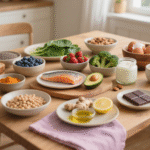
The Glycaemic Index (GI) measures how quickly a food raises your blood sugar. Choosing low-GI options like brown rice, quinoa, and whole wheat roti can help keep energy levels steady. For breakfast, swap sugary cereals for steel-cut oats topped with nuts and seeds.
2. Include Lean Proteins
Eggs, fish, chicken breast, paneer, and lentils provide long-lasting satiety and help balance sugar spikes. If you’re vegetarian, chickpeas and tofu can be excellent protein sources. Pairing protein with healthy fats like avocado or almonds can further stabilise your hormones.
3. Load Up on Fibre
Fibre slows digestion, helping prevent sudden sugar surges. Vegetables such as spinach, broccoli, and carrots are ideal, and fruits like berries and guava provide antioxidants along with fibre. You can find more tips in our nutrition & lifestyle guide.
4. Healthy Fats Are Your Friend
Don’t be afraid of fats, the right ones can actually support hormone health. Sources like flaxseeds, walnuts, olive oil, and fatty fish provide omega-3s that reduce inflammation.
5. Limit Processed Foods
Refined carbs, sugary snacks, and fried foods can spike insulin and worsen PCOS symptoms. Instead of packaged chips, try roasted chickpeas or homemade trail mix.
Sample One-Day PCOS Diet Plan
Morning: Warm water with lemon, followed by a bowl of vegetable upma or avocado toast on whole-grain bread
Mid-morning snack: A handful of walnuts or sunflower seeds
Lunch: Grilled fish or paneer with quinoa and sautéed greens
Evening snack: Greek yogurt with chia seeds
Dinner: Moong dal soup with whole wheat roti and a mixed vegetable sabzi
Lifestyle Tips to Support Your Diet
- Stay active daily – Even a brisk 30-minute walk can improve insulin sensitivity. You can learn more in our exercise during pregnancy guide, many tips apply for PCOS as well.
- Manage stress – Stress impacts hormone balance. Yoga, journaling, or even listening to calming music can help.
- Sleep well – Aim for 7–8 hours of quality sleep to help your body recover and regulate hormones.
Final Thoughts
Managing PCOS takes patience, but the right diet can be one of your most powerful tools. By focusing on whole foods, balanced nutrients, and steady blood sugar, you’re giving your body the best chance to heal and thrive.
At The Gynae Guide, we believe in providing reliable, science-backed advice for women’s health. Your PCOS journey is personal, but you don’t have to go through it alone, stay connected with us on Instagram, Facebook, or YouTube for practical tips and support.
FAQs – Best Diet for PCOS Management
1. Can diet alone cure PCOS?
No, there’s no cure for PCOS, but a healthy diet can help manage symptoms and improve overall wellbeing.
2. How much protein should I include in my PCOS diet?
Aim for a protein source at every meal, roughly 20–30% of your daily calories from protein works well for most women.
3. Is intermittent fasting good for PCOS?
Some women find it helpful, but it’s not suitable for everyone. It’s best to consult a healthcare provider before starting.
4. Should I completely avoid carbs?
Not at all. Carbs are important, but choose complex, low-GI carbs instead of refined options.
5. Can I still eat dairy? Yes, but opt for low-fat, unsweetened options, and see how your body responds, some women with PCOS are sensitive to dairy.