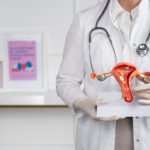

Are you trying to conceive but have been diagnosed with blocked fallopian tubes? Fallopian tube blockage can make it harder for the egg and sperm to meet, which may affect your chances of natural conception. The right treatment depends on the location of the blockage, the extent of tubal damage, your age, and other fertility factors.
Laparoscopy for fallopian tube blockage is a minimally invasive surgical procedure that allows a surgeon to examine the fallopian tubes and surrounding pelvic organs. In selected cases, the surgeon may also treat adhesions, scar tissue, or certain tubal abnormalities. Understanding the procedure, benefits, recovery, and success rate can help you make informed decisions about your fertility care. However, laparoscopy is not necessary for every woman with blocked tubes, and some patients may benefit more from IVF or other treatments.
Quick Answer: Can Laparoscopy Treat Fallopian Tube Blockage?
Yes, laparoscopy for blocked fallopian tubes can help diagnose tubal problems and treat selected blockages caused by adhesions or other surgically correctable conditions. However, not every blockage can be repaired, and surgery does not guarantee pregnancy.
The success rate of laparoscopy for fallopian tube blockage depends on the location and severity of damage, the procedure performed, age, and other fertility factors. A gynaecologist can help determine whether tubal surgery, further testing, or IVF may be more suitable for your situation.
Key Takeaways
- Purpose: Laparoscopy examines the fallopian tubes and surrounding pelvic organs.
- Treatment: Selected blockages and pelvic adhesions may be treated during surgery.
- Diagnosis: HSG is commonly used first to assess whether the fallopian tubes are open.
- Success rate: Pregnancy outcomes depend on tubal damage and other fertility factors.
- Recovery: Small incisions generally allow faster recovery than open surgery.
- Alternative treatment: IVF may be suitable for severe tubal damage or certain cases of hydrosalpinx.
- Important risk: Tubal surgery can increase the risk of ectopic pregnancy.
What Is Laparoscopy for Fallopian Tube Blockage?
Laparoscopy for fallopian tube blockage is a keyhole surgical procedure that uses a thin instrument with a camera, called a laparoscope, to examine the pelvic organs. The surgeon makes small incisions in the abdomen to view the uterus, ovaries, fallopian tubes, and surrounding tissues.
The procedure may help identify scar tissue, pelvic adhesions, endometriosis, and other abnormalities affecting fertility. Depending on the findings, the surgeon may also treat certain problems during the same operation. However, the suitability of surgery depends on the type and extent of tubal damage.
Diagnostic Laparoscopy vs. Operative Laparoscopy
Diagnostic laparoscopy is performed to examine the pelvic organs and investigate suspected abnormalities. A dye test, called chromopertubation, may also be used during the procedure to check whether dye passes through the fallopian tubes.
Operative laparoscopy involves treating suitable conditions during surgery, such as pelvic adhesions or selected tubal abnormalities. The two approaches may be combined when appropriate, but laparoscopy is not routinely required for every suspected case of tubal blockage.
What Causes Fallopian Tube Blockage?
The fallopian tubes carry the egg from the ovary towards the uterus, and fertilisation usually occurs inside a tube. When a tube is blocked or damaged, the egg and sperm may not meet, which can contribute to tubal-factor infertility.
Common causes of fallopian tube blockage include pelvic inflammatory disease (PID), endometriosis, previous pelvic surgery, ectopic pregnancy, and pelvic adhesions. A condition called hydrosalpinx can also develop when a damaged fallopian tube becomes swollen and fills with fluid. Some women have no noticeable symptoms and discover the blockage during a fertility evaluation.
When Is Laparoscopy Recommended for Blocked Fallopian Tubes?
Laparoscopy for blocked fallopian tubes may be recommended when a doctor needs to examine or treat a suspected pelvic condition. It may be considered when other investigations suggest tubal disease, endometriosis, or adhesions that could affect fertility.
Your gynaecologist may also discuss laparoscopy when surgical treatment could improve the chances of natural conception or when the cause of pelvic symptoms remains unclear. However, less invasive tests, such as hysterosalpingography (HSG), are commonly used first to assess tubal patency. The decision depends on your medical history, test results, fertility goals, and available treatment options.

How Is Laparoscopy for Fallopian Tube Blockage Performed?
The laparoscopy procedure for blocked fallopian tubes is usually performed under general anaesthesia. Before surgery, your doctor reviews your medical history, previous operations, fertility concerns, and investigation results to determine the appropriate surgical plan.
During the procedure, the surgeon examines the fallopian tubes and surrounding pelvic organs using a camera. If the findings support treatment, selected adhesions or tubal abnormalities may be addressed during the same operation. The exact steps depend on whether the procedure is diagnostic or intended to repair a blockage.
Steps Involved in the Laparoscopy Procedure
- Preoperative evaluation: Your doctor reviews your medical history and may recommend blood tests or imaging.
- General anaesthesia: You are asleep during the procedure.
- Small abdominal incisions: The surgeon makes small cuts and introduces the laparoscope.
- Tubal examination: The surgeon examines the tubes, ovaries, uterus, and surrounding tissues.
- Dye test: A coloured dye may be introduced through the cervix to assess whether the tubes are open.
- Treatment and closure: Suitable abnormalities may be treated before the instruments are removed and the incisions are closed.
Can Laparoscopy Open Blocked Fallopian Tubes?
Yes, laparoscopy can help open certain blocked fallopian tubes, especially when the problem involves adhesions or damage that can be corrected surgically. The type of treatment depends on whether the blockage affects the outside of the tube, its opening, or the internal passage.
Possible procedures include adhesiolysis to remove scar tissue, fimbrioplasty to repair the fimbrial end, or salpingostomy to create an opening in selected cases. Severe tubal damage may not be repairable, and removal of a damaged tube may sometimes be recommended. Even when surgery restores tubal patency, the tube may not function normally enough to support natural conception.
Benefits of Laparoscopy for Fallopian Tube Blockage
Laparoscopic surgery for blocked fallopian tubes offers several potential benefits when it is appropriate for the patient’s condition. It allows the surgeon to examine the pelvic organs directly and identify abnormalities that may not be fully explained by other tests.
The procedure may also allow diagnosis and treatment during the same operation. Smaller incisions generally result in less tissue disruption than open surgery, while selected patients may benefit from treatment of adhesions or tubal abnormalities. However, these benefits depend on the underlying condition, and surgery cannot reverse every type of tubal damage.
What Is the Success Rate of Laparoscopy for Fallopian Tube Blockage?
The success rate of laparoscopy for fallopian tube blockage varies between patients, so there is no single percentage that applies to every case. Outcomes depend on the location of the blockage, the extent of scarring, the type of surgery, age, and other fertility factors.
It is also important to distinguish between successful surgery and successful pregnancy. A procedure may restore tubal patency without guaranteeing natural conception or a live birth. Your doctor can explain the expected outcomes for your diagnosis and compare surgery with other fertility treatments.
Factors That Affect the Success Rate
| Factor | How it may affect outcomes |
| Location of blockage | Some blockages are more suitable for treatment than others. |
| Extent of damage | Extensive scarring may reduce the chances of successful repair. |
| One or both tubes blocked | The condition of the remaining tube can affect conception chances. |
| Hydrosalpinx | Severe damage may make IVF more suitable than tubal repair. |
| Age and fertility health | Ovarian reserve, sperm health, and other factors influence pregnancy chances. |
| Type of surgery | Different procedures have different outcomes and risks. |
Can You Get Pregnant After Laparoscopy for Blocked Fallopian Tubes?
Yes, pregnancy after laparoscopy for blocked fallopian tubes may be possible when the blockage is treatable and the tubes retain adequate function. Natural conception is more likely to be considered when the damage is limited and there are no major additional fertility concerns.
Pregnancy chances also depend on age, ovulation, ovarian reserve, sperm health, and the type of procedure performed. After surgery, your gynaecologist can advise when it may be appropriate to try to conceive and whether further fertility treatment is needed.
Why Is Ectopic Pregnancy Risk Important?
An ectopic pregnancy occurs when a fertilised egg implants outside the uterus, most commonly in a fallopian tube. Tubal damage and tubal surgery can increase this risk, even when a tube appears open after treatment.
If you become pregnant after tubal surgery, contact your healthcare professional early to discuss pregnancy monitoring. Seek urgent medical attention if you may be pregnant and experience severe abdominal pain, shoulder-tip pain, heavy bleeding, dizziness, or fainting.
Recovery Time After Laparoscopy for Blocked Fallopian Tubes
The recovery time after laparoscopy for blocked fallopian tubes depends on the type of surgery, the extent of treatment, and your overall health. Many patients can return home on the same day, although more complex procedures may require additional observation or recovery time.
Temporary effects can include abdominal soreness, bloating, tiredness, and shoulder discomfort caused by the gas used during surgery. Follow your surgeon’s instructions about wound care, exercise, work, sexual activity, and when to resume trying to conceive. Seek medical advice if you develop fever, worsening pain, heavy bleeding, or signs of wound infection.
Risks of Laparoscopy for Fallopian Tube Blockage
Although laparoscopy is a minimally invasive procedure, it still carries potential risks. These include bleeding, infection, anaesthesia-related complications, and, rarely, injury to nearby organs such as the bowel, bladder, or blood vessels.
Other possible concerns include persistent or recurrent tubal blockage and ectopic pregnancy after surgery. Before deciding on laparoscopic surgery for blocked fallopian tubes, discuss the expected benefits, limitations, alternatives, and individual risks with your surgeon.

Laparoscopy vs. IVF for Blocked Fallopian Tubes
Laparoscopy and in vitro fertilisation (IVF) address tubal infertility in different ways. Laparoscopy may help diagnose or repair selected tubal problems, while IVF involves fertilising an egg in a laboratory and transferring an embryo into the uterus, bypassing the need for the fallopian tubes to transport the egg.
The most suitable option depends on the extent of tubal damage, age, ovarian reserve, sperm health, other fertility factors, cost, and personal preferences. For certain cases of hydrosalpinx, removing or blocking the affected tube before IVF may improve treatment outcomes. A fertility specialist can help compare the likely benefits and risks of each approach.
| Feature | Laparoscopy or tubal surgery | IVF |
| Main purpose | Examines or treats selected tubal problems | Fertilises an egg outside the body and transfers an embryo |
| Natural conception | May be possible after successful repair | Does not rely on the tubes transporting the egg |
| Suitability | Depends on the type and severity of damage | May suit severe tubal disease or other fertility factors |
| Main considerations | Surgical risks, recovery, and ectopic pregnancy risk | Medication, egg retrieval, embryo transfer, cost, and treatment-specific risks |
Meet The Gynae Guide – Your Fertility Care Partner
Concerns about blocked fallopian tubes, tubal-factor infertility, or difficulty conceiving can be stressful, especially when the cause and treatment options are unclear. At The Gynae Guide, Dr. Simran Dhawan provides personalized gynaecological care based on your medical history, symptoms, investigation results, and fertility goals.
Whether you need guidance about fallopian tube blockage, laparoscopy, fertility testing, or pregnancy planning, a consultation can help you understand your condition and discuss appropriate next steps. The focus is on clear information, individualized guidance, and informed decisions about your reproductive health.
Fertility and Women’s Health Services at The Gynae Guide
At The Gynae Guide, Dr. Simran Dhawan provides personalized gynaecological care for women experiencing fallopian tube blockage, tubal-factor infertility, or difficulty conceiving. The focus is on understanding each woman’s reproductive health concerns, reviewing diagnostic findings, and discussing suitable options for fallopian tube blockage treatment based on individual needs.
Women seeking fertility guidance can benefit from a consultation that explains their condition, relevant investigations, and possible next steps. The Gynae Guide helps patients understand their options and make informed decisions about fertility care and pregnancy planning.
- Personalized Fertility Evaluation: Review your medical history, symptoms, and fertility goals to understand concerns related to blocked fallopian tubes and infertility.
- Diagnostic Test Guidance: Learn how HSG testing and tubal patency assessment can help evaluate possible fallopian tube blockage.
- Individualized Treatment Options: Discuss whether tubal blockage surgery, laparoscopy, or IVF may be appropriate for your specific condition.
- Assessment of Related Conditions: Understand how endometriosis, pelvic adhesions, and tubal scarring may affect fertility.
- Pregnancy Planning Support: Explore factors that can influence pregnancy after laparoscopy for blocked fallopian tubes, including recovery and follow-up care.
- Ongoing Fertility Guidance: Discuss follow-up recommendations, potential treatment limitations, and whether additional fertility investigations may be needed.
With a personalized approach to fallopian tube blockage and fertility care, The Gynae Guide aims to help women understand their reproductive health, explore suitable treatment pathways, and plan their next steps with greater clarity and confidence.
Why Choose The Gynae Guide for Fallopian Tube Blockage Concerns?
When dealing with fallopian tube blockage, tubal-factor infertility, or difficulty conceiving, choosing the right treatment begins with understanding the underlying cause. At The Gynae Guide, Dr. Simran Dhawan focuses on personalized gynaecological care to help women understand their condition, review diagnostic findings, and explore suitable fertility treatment options based on their individual needs.
Through personalized consultations, The Gynae Guide helps women understand the role of fertility investigations, including hysterosalpingography (HSG), and discuss whether further assessment or treatment may be appropriate.
- Personalized Fertility Evaluation: Your symptoms, medical history, fertility goals, and previous pregnancy experiences are considered when discussing blocked fallopian tubes and infertility.
- Diagnostic Guidance: Understand how HSG testing, tubal patency assessment, and other investigations can help identify possible fallopian tube blockage.
- Individualized Treatment Planning: Discuss suitable options for fallopian tube blockage treatment, including whether selected tubal surgery or IVF may be appropriate.
- Fertility-Focused Consultation: Explore how tubal blockage, pelvic adhesions, endometriosis, and other reproductive health concerns may affect your chances of conception.
- Pregnancy Planning Support: Understand factors that may influence pregnancy after laparoscopy for blocked fallopian tubes, including recovery and follow-up.
- Ongoing Follow-Up Guidance: Learn about recommended monitoring, possible treatment limitations, and when further fertility assessment may be needed.
At The Gynae Guide, the aim is to provide clear, individualized guidance so women can better understand fallopian tube blockage, fertility treatment options, and pregnancy planning and make informed decisions about their reproductive health.
Book Your Fertility Consultation Today
If you have been diagnosed with blocked fallopian tubes, received an abnormal HSG result, or are experiencing difficulty conceiving, consider consulting The Gynae Guide to discuss your reports and concerns. A personalized consultation can help clarify whether further testing, surgical assessment, or another fertility treatment may be appropriate.
Contact The Gynae Guide
The Gynae Guide – Dr. Simran Dhawan
Plot No. 1, Sector 7, Panchkula, Haryana – 134109
Phone: 0172-2596090, 09316135516
Email: thegynaeguide.ind@gmail.com
Conclusion
Laparoscopy for fallopian tube blockage can help diagnose tubal problems and treat selected blockages or adhesions. However, the procedure is not suitable for every patient, and restoring tubal patency does not guarantee pregnancy.
The right treatment depends on the location and severity of the blockage, overall fertility health, age, and other medical factors. If you have been diagnosed with blocked fallopian tubes, consult a gynaecologist to discuss your results and whether tubal surgery, further testing, or IVF may be suitable.
FAQs – Laparoscopy for Fallopian Tube Blockage: Procedure, Benefits, and Success Rate
Q1. Can laparoscopy remove a fallopian tube blockage?
Ans. Yes, laparoscopy can treat selected blockages or adhesions. Severe internal tubal damage may not be repairable, so treatment depends on the type and location of the blockage.
Q2. What is the success rate of laparoscopy for blocked fallopian tubes?
Ans. There is no single success rate for all patients. Outcomes depend on tubal damage, age, the procedure performed, and other fertility factors.
Q3. Can I get pregnant naturally after laparoscopy?
Ans. Yes, natural pregnancy may be possible after successful treatment if the tubes function well enough and other fertility factors are favourable. Surgery cannot guarantee pregnancy.
Q4. How long does recovery take after tubal laparoscopy?
Ans. Recovery varies with the type of procedure and your health. Follow your surgeon’s instructions about activity, wound care, and when to resume trying to conceive.
Q5. Is laparoscopy necessary to diagnose blocked fallopian tubes?
Ans. No, HSG is commonly used first to assess tubal patency. Laparoscopy may be considered when further investigation or treatment is needed.